The Hidden Emotions Behind South Indian Wedding Candid Photography
A South Indian wedding is much more than a ceremony. It is a beautiful blend of traditions, family values, culture, and emotions that come together to create memories for a lifetime. While grand decorations and carefully planned events are important, the most meaningful moments often happen when no one is paying attention.
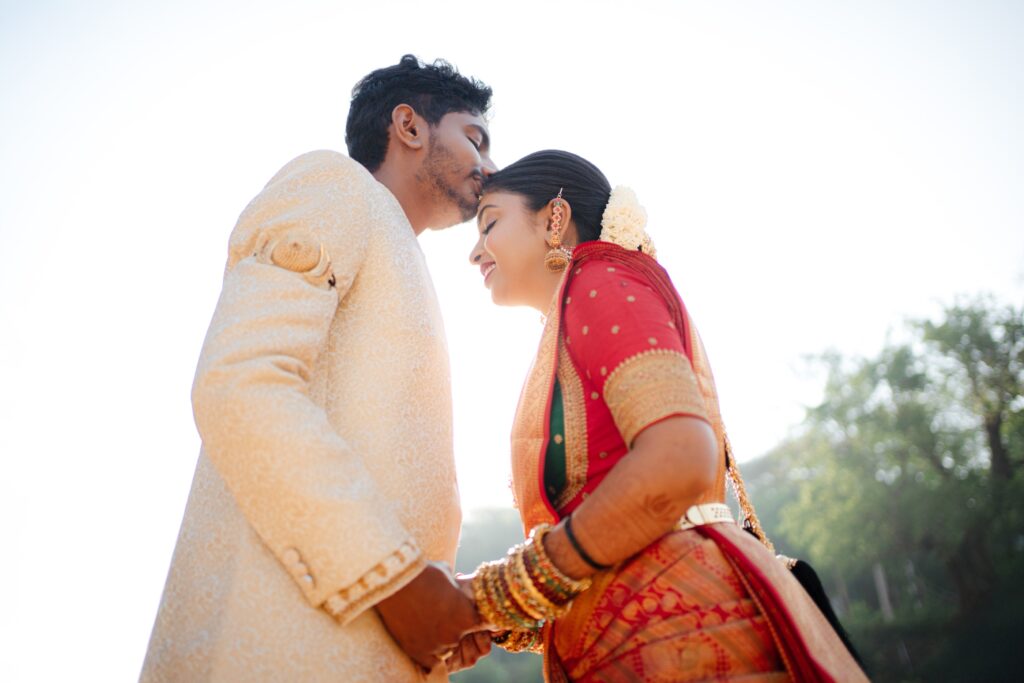
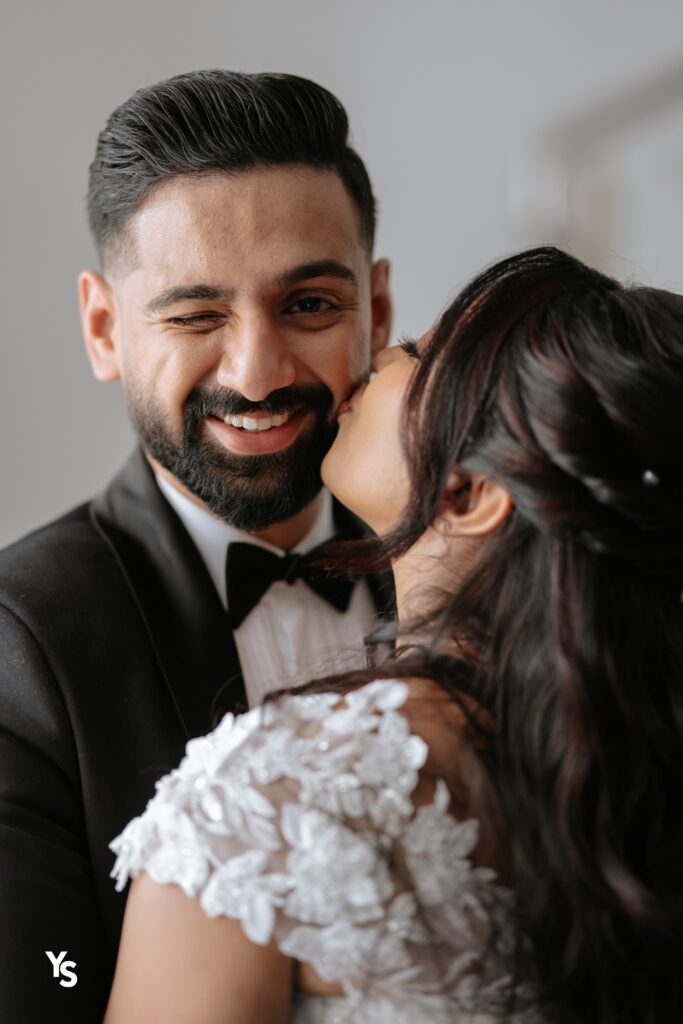
This is where South Indian wedding candid photography becomes truly special. It captures the laughter, tears, excitement, nervousness, and love that unfold naturally throughout the celebration. These genuine moments tell the real story behind every wedding
The Beauty of Unscripted Emotions
The most meaningful wedding moments are often the ones no one plans for—a parent’s teary smile, a shared glance between the couple, or the laughter that fills the room unexpectedly. These unscripted emotions tell the real story of the day, capturing genuine connections and memories that remain timeless. Through candid photography, these heartfelt moments are preserved exactly as they happen, creating memories that feel authentic, emotional, and unforgettable.
The Emotional Heart of South Indian Weddings
Every South Indian wedding is rich with traditions that naturally create beautiful storytelling opportunities. Whether it is a Tamil wedding, a Kerala Christian wedding, a Telugu wedding, a Kannada wedding, or a traditional Hindu ceremony, emotions flow through every ritual.
From the early morning preparations to the final blessings from elders, every stage of the celebration is filled with meaningful interactions and heartfelt moments.
Candid photography allows these emotions to be preserved exactly as they happened.
The Moments Between the Major Events
Most wedding albums focus on the key ceremonies. However, some of the most powerful photographs are captured in the moments between them.
Before the Ceremony
The quiet anticipation before guests arrive often reveals genuine emotions. The bride shares special moments with her family, while the groom prepares himself for the life-changing journey ahead.
Family Bonds
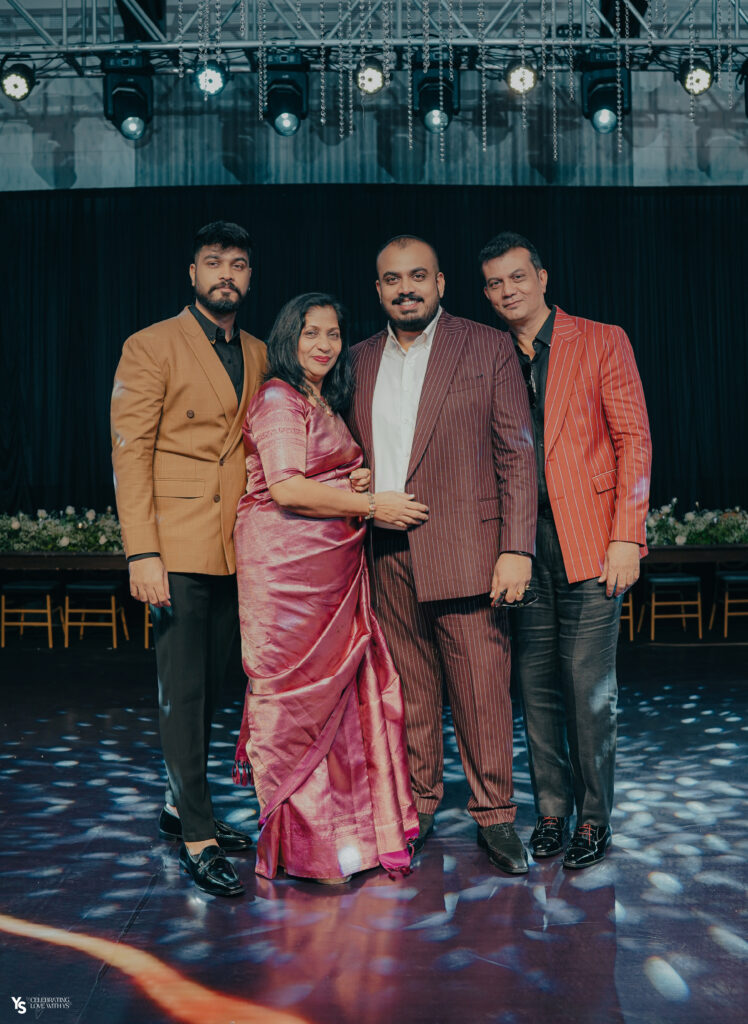
South Indian weddings bring generations together. The smiles exchanged between grandparents, parents, siblings, and relatives often create some of the most emotional photographs of the day.
The Little Reactions
A bride’s spontaneous smile. A groom’s emotional glance. A child’s excitement during the ceremony. These small reactions often become the photographs that couples cherish the most.
Why Candid Photography Matters
A wedding is not simply a sequence of rituals. It is a collection of emotions and human connections.
South Indian wedding candid photography captures:
Genuine laughter and happiness Emotional family moments Traditional rituals and cultural significance Natural expressions and reactions Authentic storytelling through images
Rather than documenting only what happened, candid photography preserves the feelings behind every moment.
Capturing the Soul of South Indian Traditions
South Indian weddings are known for their vibrant customs, colorful attire, sacred rituals, and strong family involvement. Every tradition carries emotional significance.
Whether it is the exchange of garlands, blessings from elders, wedding vows, or joyful celebrations with family and friends, candid photography captures the spirit behind these traditions without interrupting the moment.
The result is a wedding album filled with life, emotion, and authenticity.
A Story That Lasts Forever
The most memorable wedding photographs are rarely the perfectly posed ones. They are the images that transport couples back to a specific feeling, a meaningful conversation, or an emotional moment shared with loved ones.
Great candid photography turns a wedding album into a timeless story—one that can be relived again and again.
Call Your Story Wedding – a partnership of photographers who document genuine emotions, real people, and real love stories.